
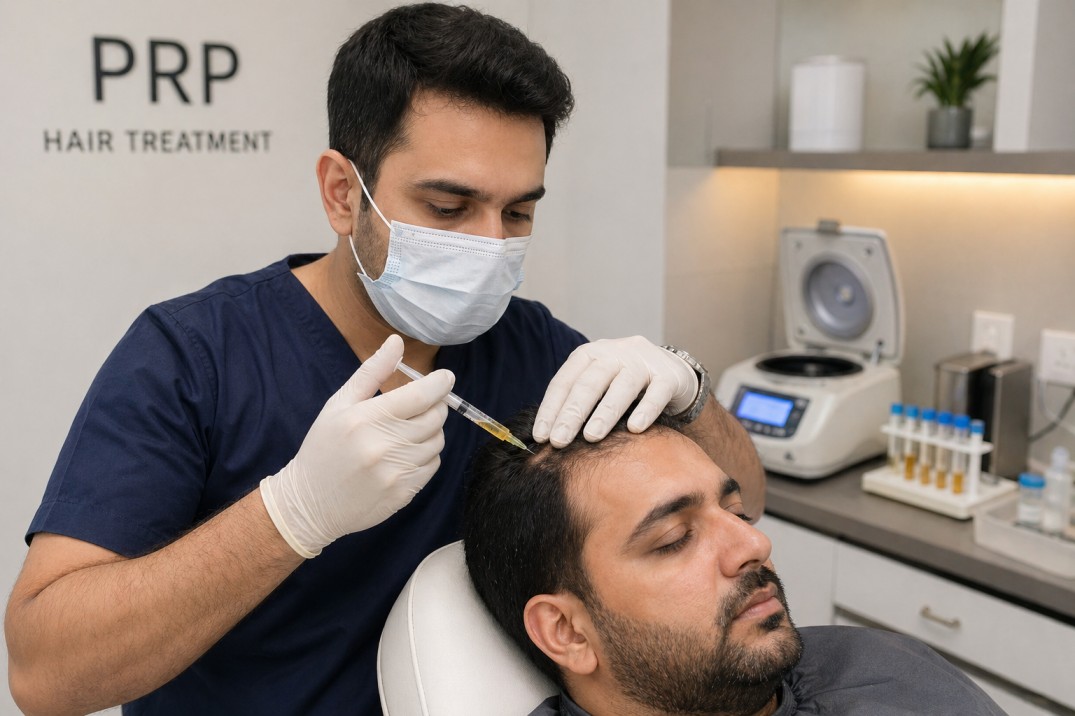
Hair loss affects millions of men and women worldwide, and many people turn to Platelet-Rich Plasma (PRP) therapy as a non-surgical option to improve hair density and reduce shedding. However, before beginning treatment, one of the most common questions patients ask is about PRP hair treatment price and whether the investment is worthwhile for their stage of hair loss.
The answer depends on several factors, especially the severity of hair loss. PRP therapy tends to produce the best results in patients with early or moderate hair thinning, while those with advanced baldness may require a combination of treatments, including medication or hair transplantation. Understanding when PRP is most effective helps patients make informed decisions and maximize the return on their investment.
This article explains how hair loss stages influence PRP hair treatment price, which patients benefit most, and why proper timing plays a critical role in long-term success.
Understanding PRP Hair Treatment
Platelet-Rich Plasma (PRP) therapy uses concentrated platelets extracted from the patient’s own blood. These platelets contain growth factors that may help support hair follicles, improve scalp circulation, and encourage healthier hair growth.
The procedure generally includes:
- Drawing a small blood sample
- Separating platelet-rich plasma through centrifugation
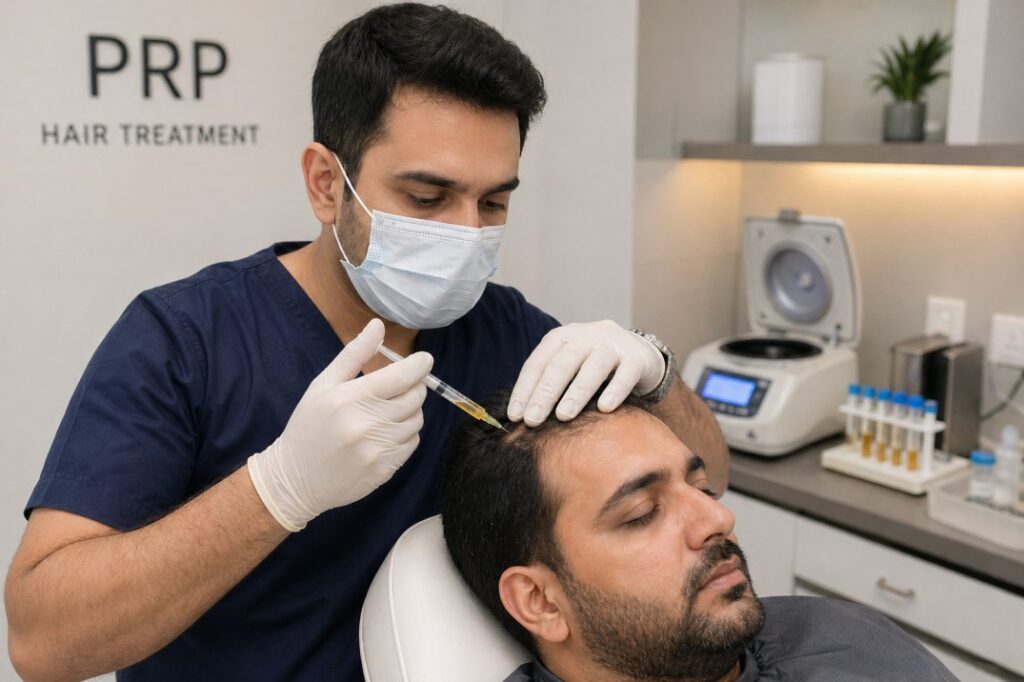
- Injecting the concentrated plasma into thinning areas of the scalp
PRP is considered a regenerative treatment that aims to strengthen existing hair follicles rather than create entirely new ones.
Because of this, the stage of hair loss significantly influences treatment outcomes.
Why Hair Loss Stage Matters
Hair follicles gradually weaken during pattern hair loss.
In the early stages, follicles remain alive but become thinner and produce finer hair.
As hair loss progresses:
- Follicles shrink further
- Hair density decreases
- Some follicles become inactive
- Bald areas develop
PRP works best when follicles are still present and capable of responding to growth factor stimulation.
This explains why the timing of treatment is just as important as the PRP hair treatment price itself.
Early Hair Loss: The Best Time for PRP
Patients experiencing early-stage hair thinning usually achieve the greatest benefit from PRP therapy.
Common signs include:
- Mild temple recession
- Increased hair shedding
- Slight crown thinning
- Reduced hair density
- Miniaturized hair
At this stage, many follicles remain healthy enough to respond to treatment.
Potential benefits include:
- Reduced hair shedding
- Improved hair thickness
- Stronger follicles
- Better scalp health
- Slower progression of hair loss
Because treatment begins before significant follicle loss occurs, patients often experience the highest return on their investment.
Although PRP hair treatment price may initially seem expensive, early intervention can delay more advanced treatments in the future.
Moderate Hair Loss: PRP Can Still Be Effective
Patients with moderate thinning often continue to benefit from PRP therapy.
Typical features include:
- Noticeable frontal recession
- Larger thinning areas
- Moderate crown involvement
- Reduced overall density
At this stage, treatment often works best when combined with other medical therapies.
A comprehensive treatment plan may include:
- PRP therapy
- Prescription medications
- Topical treatments
- Nutritional support
- Lifestyle modifications
Combination therapy helps preserve existing follicles while improving the overall appearance of the hair.
Although patients may require more treatment sessions, the investment often provides meaningful improvements when managed by an experienced specialist.
Advanced Hair Loss: Understanding PRP Limitations
PRP has limitations in patients with advanced baldness.
When hair follicles have disappeared completely, PRP cannot regenerate new follicles.
Patients with advanced hair loss may have:
- Extensive bald areas
- Significant crown loss
- Large frontal baldness
- Minimal remaining follicles
In these situations, PRP alone is unlikely to restore dense hair coverage.
However, it may still provide benefits by:
- Supporting remaining native hair
- Improving scalp health
- Assisting recovery after hair transplantation
- Enhancing surrounding hair quality
Patients with advanced hair loss should discuss combination treatment options with a qualified hair restoration specialist.
Combining PRP with Hair Loss Medications
Medical therapy often improves PRP outcomes.
Doctors may recommend combining PRP with approved hair loss medications for appropriate candidates.
This combined approach can help:
- Slow progressive hair loss
- Preserve existing follicles
- Improve treatment response
- Extend long-term results
Patients receiving combination therapy often experience better hair retention than those relying on PRP alone.
Although this increases the overall investment, it may reduce future treatment needs.
PRP as a Supportive Treatment for Hair Transplantation
PRP therapy is frequently used alongside hair transplantation.
Some specialists recommend PRP:
- Before surgery
- Shortly after transplantation
- During recovery
- As part of long-term maintenance
Potential advantages include:
- Supporting graft healing
- Improving scalp circulation
- Strengthening existing hair
- Enhancing overall scalp condition
While PRP does not replace hair transplantation for advanced baldness, it may complement surgical treatment and improve overall results.
Why Timing Improves Return on Investment
Many patients delay treatment until hair loss becomes severe.
Unfortunately, waiting too long reduces the number of healthy follicles available for stimulation.
Beginning PRP during the early stages provides several advantages:
- More responsive follicles
- Better treatment outcomes
- Lower likelihood of extensive hair loss
- Reduced need for surgical intervention
- Greater long-term hair preservation
The earlier treatment begins, the greater the opportunity to maintain natural hair density.
Understanding the Value Behind PRP Hair Treatment Price
When comparing clinics, patients should remember that the lowest PRP hair treatment price does not necessarily represent the best value.
Treatment quality depends on:
- Physician expertise
- Platelet concentration
- Sterile preparation
- Modern equipment
- Customized treatment planning
- Follow-up care
A higher-quality treatment may produce better long-term results than several ineffective low-cost sessions.
Questions to Ask Before Starting PRP
Before investing in treatment, consider asking:
- What stage of hair loss do I have?
- Am I a suitable candidate for PRP?
- How many sessions are recommended?
- Should PRP be combined with medication?
- Will I eventually require hair transplantation?
- What results can I realistically expect?
These discussions help establish appropriate expectations and maximize treatment success.
Is PRP Worth the Investment?
For carefully selected patients, PRP offers valuable benefits.
It is often most worthwhile for individuals who:
- Have early or moderate hair thinning
- Want to preserve existing hair
- Prefer a minimally invasive procedure
- Seek long-term hair maintenance
- Are committed to following the recommended treatment schedule
Patients with advanced baldness may still benefit from PRP when it forms part of a broader hair restoration strategy.
Conclusion
Understanding PRP hair treatment price requires more than comparing the cost of individual sessions. The true value of PRP depends on the stage of hair loss, the condition of existing follicles, treatment quality, and whether it is combined with other appropriate therapies. Patients with early hair thinning typically achieve the greatest return on investment because their follicles remain capable of responding to regenerative treatment.
For moderate hair loss, PRP often works best alongside medications and personalized hair restoration plans, while advanced hair loss may require PRP as a supportive therapy in combination with hair transplantation. By starting treatment at the right time and choosing an experienced specialist, patients can maximize the benefits of PRP therapy, preserve healthier hair for longer, and make a smarter long-term investment in their hair restoration journey.
 johnsmithsanjose
  toylorharrisuk