
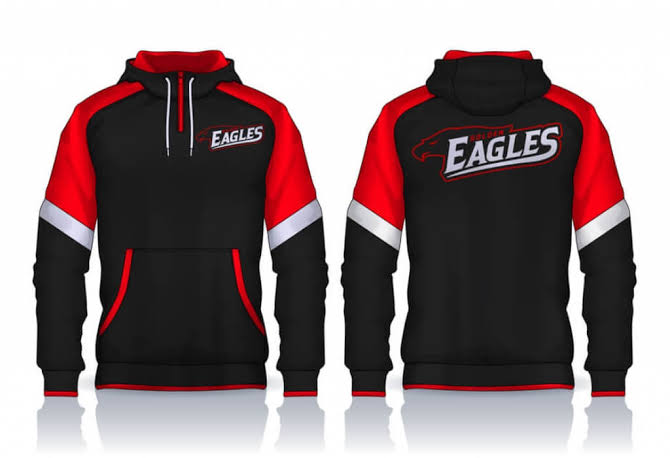
Jacket embroidery is a great way to showcase a brand, team logo, club emblem, or custom artwork. Large designs on the back of a jacket can make a strong visual impact, but achieving clean and professional results requires careful planning. This is where jacket back digitizing becomes essential.
Professional digitizing converts artwork into a machine-readable embroidery file with the right stitch types, density, direction, and sequence. These details help embroidery machines reproduce designs accurately while reducing common problems such as puckering, thread breaks, and uneven coverage.
At Risedigitizing, the goal of jacket back embroidery digitizing is to prepare designs for practical embroidery production while preserving the original artwork’s appearance. Whether you are creating custom jackets for a business, sports team, motorcycle club, or clothing brand, a well-prepared embroidery file can make a noticeable difference.
What Is Jacket Back Digitizing?
Jacket back digitizing is the process of converting a logo, illustration, lettering, or other artwork into a digital stitch file specifically planned for embroidery on the back panel of a jacket.
Unlike small chest logos, back designs often cover a much larger area. They may include detailed lettering, large shapes, multiple thread colours, borders, and decorative elements. Each part must be programmed carefully so the machine can stitch the design accurately.
A professional digitizing process considers several factors:
- Design size: The artwork must fit the available embroidery area.
- Stitch density: Stitches must provide adequate coverage without making the design unnecessarily stiff.
- Underlay: Foundation stitches help stabilise the fabric beneath the visible stitching.
- Pull compensation: Adjustments help account for fabric movement during embroidery.
- Stitch sequence: The order of stitching affects alignment, efficiency, and the final appearance.
These considerations are particularly important for large designs, where small digitizing mistakes can become more noticeable across the finished jacket.
Why Is Professional Jacket Back Digitizing Important?
A large embroidery design requires more than simply enlarging a small logo. Increasing the size of an existing embroidery file without adjusting its stitch settings can create excessive density, poor coverage, or distorted outlines.
Professional jacket back digitizing helps address these challenges before production begins.
1. Better Stitch Quality
A properly digitized design uses suitable stitch types for different elements. Satin stitches can work well for lettering and narrow borders, while fill stitches are often suitable for larger shapes.
Selecting the correct stitch structure helps produce defined edges and consistent coverage across the back panel.
2. Reduced Fabric Puckering
Puckering occurs when the fabric gathers or wrinkles around embroidered areas. It can result from unsuitable density, inadequate stabilisation, fabric movement, or incorrect tension.
A carefully planned stitch layout, suitable underlay, and appropriate backing can help reduce this problem. The exact settings depend on the jacket material and embroidery equipment.
3. Improved Design Alignment
Large jacket designs often combine lettering, logos, outlines, and decorative details. If these elements are not digitized and sequenced correctly, gaps or misaligned borders may appear.
Professional digitizing helps maintain the relationship between different design elements for a more consistent result.
4. More Efficient Embroidery Production
Unnecessary thread changes, excessive trims, and inefficient stitch paths can increase production time. A well-organised embroidery file can reduce avoidable machine movements and help embroidery businesses manage larger orders.
Custom Jacket Back Digitizing for Different Jacket Styles
Every jacket material behaves differently under the embroidery needle. Choosing the right digitizing approach for the garment helps achieve a suitable balance between appearance, durability, and flexibility.
Denim Jackets
Denim jackets are popular for personalised designs, fashion labels, and embroidered artwork. Their sturdy fabric can support many large designs, although thick stitching may still create unwanted bulk.
Custom jacket back digitizing for denim should consider the fabric weight, design coverage, and stitch density. Large backgrounds may benefit from carefully planned fill areas rather than unnecessary layers of stitching.
Leather Jackets
Leather jackets are frequently used for motorcycle club emblems, personalised names, and bold decorative artwork.
Because needle holes can remain visible in leather, stitch placement and density require particular attention. Excessive needle penetration can weaken or damage the material.
A digitizer should consider the leather type, design complexity, and appropriate stitch structure before preparing the final file. Testing on a suitable sample is advisable.
Varsity and Letterman Jackets
Varsity jackets often feature large lettering, school names, team logos, mascots, and traditional decorative elements.
These designs may combine several colours, thick outlines, and large filled areas. Careful planning helps maintain readable lettering and clean separation between design elements.
For especially large varsity designs, appliqué or chenille-style decoration may be worth considering, depending on the desired appearance and available production equipment.
Bomber and Nylon Jackets
Lightweight bomber jackets and nylon outerwear can be more challenging to embroider because the fabric may shift or stretch during stitching.
Digitizing should account for the material’s behaviour, appropriate stabilisation, and controlled stitch density. Excessive stitching can make lightweight fabric pucker or become unnecessarily heavy.
Fleece and Other Heavy Fabrics
Fleece and textured fabrics may allow stitches to sink into the surface, reducing the visibility of small details.
Suitable underlay, appropriate lettering sizes, and carefully chosen stitch types help improve definition. The best settings depend on the fabric’s pile, thickness, and backing.
How to Prepare Artwork for Jacket Back Embroidery
Good source artwork makes the digitizing process easier and helps preserve important details.
Before submitting your design, consider the following steps.
Choose the Final Design Size
Determine the intended width and height of the embroidery. The available space depends on the jacket size, seam placement, hoop dimensions, and machine capabilities.
Many full-back designs are around 10–14 inches wide, although the appropriate dimensions vary by garment and equipment.
Use Clear Artwork
High-quality images, vector files, and clearly defined logos make it easier to identify shapes, lettering, and colour boundaries.
If your artwork contains blurry edges or complicated details, it may need cleaning or simplification before digitizing.
Confirm the Jacket Material
Always provide the fabric type when requesting digitizing. Information about lining, thickness, stretch, and surface texture can help determine a suitable stitch plan.
Select the Required Embroidery Format
Different machines use different embroidery file formats. Common examples include DST, PES, EXP, and JEF.
Tell your digitizer which machine or file format you use so the correct output can be prepared.
Consider the Hoop Size
The design must fit the machine’s available embroidery field. If the artwork exceeds the hoop area, it may need to be resized, redesigned, or divided into sections where the machine and production method permit.
Common Jacket Back Digitizing Mistakes to Avoid
Understanding common mistakes can help embroidery businesses achieve more reliable production results.
Simply enlarging a small logo: A chest logo file may not work properly when enlarged because stitch lengths, density, and underlay may no longer suit the design.
Using excessive stitch density: Too many stitches can make the back panel stiff, increase thread consumption, and contribute to puckering.
Ignoring fabric differences: A design intended for stable denim may not perform the same way on lightweight nylon or leather.
Keeping too much fine detail: Tiny lettering and narrow lines may not reproduce clearly at the chosen embroidery size. Simplifying selected details can improve readability.
Skipping a test sew-out: A digital preview cannot fully show how thread, fabric, stabiliser, and machine settings will interact. Testing the file on a suitable sample helps identify problems before a large production run.
Avoiding these mistakes can reduce wasted materials and help maintain consistent embroidery quality.
Jacket Back Digitizing for Businesses, Clubs, and Clothing Brands
Large back designs are useful across many industries and organisations.
- Clothing brands: Create distinctive embroidered artwork for denim jackets, streetwear, and fashion collections.
- Motorcycle clubs: Prepare club names, emblems, and decorative designs for jackets.
- Sports teams: Digitize team names, mascots, and large logos for teamwear.
- Corporate businesses: Add branded artwork to staff jackets and promotional apparel.
- Schools and universities: Produce personalised designs for student groups, societies, and events.
- Embroidery businesses: Prepare machine-ready files for customer orders and commercial production.
For businesses handling repeated orders, keeping consistent artwork and clearly specifying the design size can help simplify future production.
How to Choose the Right Jacket Back Digitizing Service
When choosing an embroidery digitizing provider, look beyond the price alone. The quality of the stitch file can affect machine time, garment appearance, and production costs.
Consider these factors before placing an order:
- Experience with large designs: Ask whether the provider understands large fill areas, stitch sequencing, and fabric movement.
- Fabric-specific planning: Confirm that the digitizing approach can be adjusted to your jacket material.
- Machine compatibility: Provide the required file format and confirm that the delivered file suits your equipment.
- Artwork review: Make sure the final dimensions and important design details are understood before digitizing begins.
- Revision support: Ask how corrections are handled if the file requires adjustments after review or testing.
- Clear communication: Share the artwork, garment details, intended size, and production requirements before work starts.
A reliable service should help you prepare a file suited to your actual embroidery project rather than simply converting an image into stitches without considering the garment.
Why Choose Risedigitizing for Jacket Back Digitizing?
Risedigitizing provides embroidery-related digitizing solutions for businesses and individuals who need artwork prepared for machine embroidery.
When planning a jacket back design, the focus should be on preserving the artwork while considering the size, material, stitch structure, and intended production method.
Whether you are preparing a large company logo, a varsity jacket design, custom lettering, or a detailed club emblem, providing clear artwork and accurate specifications helps support a smoother digitizing process.
Before submitting your order, prepare the original design, required dimensions, jacket fabric, and preferred machine format. These details give the digitizer a clearer understanding of your requirements.
Explore the jacket back digitizing service to learn more about preparing large embroidery designs for your project.
You can also explore embroidery digitizing services for other embroidery requirements or visit the logo digitizing service for logo-based embroidery projects.
Frequently Asked Questions About Jacket Back Digitizing
What is jacket back digitizing?
Jacket back digitizing converts artwork, lettering, or logos into a machine-readable embroidery file designed for stitching on a jacket’s back panel. It involves planning stitch types, density, underlay, and sequence to suit the design and fabric.
Why is custom jacket back digitizing necessary?
Custom jacket back digitizing helps prepare a design for its actual dimensions, garment material, and embroidery machine. This is especially important for large designs that may not sew correctly if a small embroidery file is simply enlarged.
What is the best size for a jacket back embroidery design?
The ideal size depends on the jacket, artwork, and machine’s embroidery field. Many full-back designs are approximately 10–14 inches wide, but the final dimensions should be confirmed before digitizing.
Which file formats are used for jacket back embroidery?
Common embroidery formats include DST, PES, EXP, and JEF. The correct format depends on the embroidery machine being used.
Can jacket back designs be digitized for leather?
Yes, leather jacket designs can be digitized, but the stitch plan needs special consideration because needle holes may remain visible. Suitable density, stitch placement, and testing are important.
How can I prevent puckering in jacket back embroidery?
Puckering can be reduced by using suitable stabilisation, balanced stitch density, appropriate underlay, correct hooping, and fabric-specific digitizing. Machine tension and the quality of the garment also influence the outcome.
Can I use the same file for chest and back embroidery?
Sometimes the same artwork can be adapted for both placements, but the stitch file should be reviewed for each size. Smaller lettering, stitch lengths, density, and underlay may need adjustments.
What information should I provide for custom jacket back digitizing?
Provide the original artwork, finished design dimensions, jacket material, embroidery machine or required file format, and any specific colour or production requirements. This information helps the digitizer prepare a file suited to your project.
Final Thoughts
Jacket back digitizing is an important step in producing large, professional embroidery designs. Proper stitch planning helps maintain clean outlines, readable lettering, balanced coverage, and a suitable finish across different jacket materials.
For the best results, choose a digitizing approach based on your artwork, garment, and embroidery equipment rather than relying on simple image enlargement. With clear specifications and careful preparation, custom jacket back digitizing can help clothing brands, clubs, teams, and embroidery businesses turn their designs into high-quality embroidered products.
Explore Risedigitizing’s jacket back digitizing service to get started with your next embroidery project.
 johnsmithsanjose
  seomugshei07@gmail.com