
Summer means more time outside. Families use their yards for barbecues, games, gatherings, pets, and relaxing in the sun. Before you start using your yard regularly, it is worth taking some time to ensure the space is clean, comfortable, and free of common hazards.
A good summer yard preparation routine does not have to be complicated. Start by clearing debris, checking the lawn, removing weeds and sharp burrs, preparing high-traffic areas, and making sure your lawn can handle summer heat and activity.
Here is a practical checklist to help you prepare your yard before summer outdoor activities.
1. Clear Sticks, Leaves, and Other Debris
Start with a basic cleanup.
Walk through the entire yard and remove:
- Fallen branches
- Sticks
- Large rocks
- Leaves
- Trash
- Broken toys
- Gardening debris
- Other objects that could cause trips or injuries
Pay special attention to areas where children play, where pets spend time, and where people will walk barefoot. Do not rush through this step. Small objects can be easy to miss when grass is long or dense.
2. Check the Lawn for Uneven Areas
Walk around the yard and look for holes, exposed roots, raised areas, and uneven sections. These areas can become trip hazards during outdoor games or gatherings. They can also make mowing more difficult.
If you find a small problem area, mark it so you can address it before the yard gets busy. If you are dealing with larger grading or drainage problems, avoid trying to fix them by simply adding soil on top. Proper site preparation and grading help prevent long-term drainage problems.
3. Look for Weeds Before They Go to Seed
Summer heat can encourage many weeds to grow quickly. Check the lawn, garden edges, driveway, gravel areas, and other open spaces.
Pull or remove small weeds before they mature and produce seeds. Regular weed removal can help reduce the number of weeds you have to deal with later in the season. Illinois Extension recommends staying ahead of weeds and preventing them from going to seed when possible.
Pay particular attention to weeds growing along paths and play areas.
4. Check for Goatheads and Other Sharp Burrs
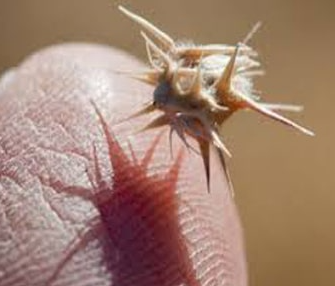
If you have children, pets, or people who walk around your yard barefoot, check for goatheads before summer activities begin.
Goathead, also called puncturevine, produces hard, sharp seed pods that can become a physical hazard around yards, paths, driveways, and other outdoor areas.
Puncturevine is a summer annual that can begin growing in late spring or early summer. It can continue producing flowers and seeds through the season. Utah State University recommends removing plants before the seed pods mature and collecting dropped burrs.
Look closely around:
- Play areas
- Patios
- Walkways
- Driveways
- Gravel
- Bare soil
- Areas where pets spend time
Removing the plants is important, but do not forget about loose burrs that have already fallen.
5. Collect Loose Burrs From the Yard
If goatheads or other sharp burrs are already present, collect them before people and pets start using the area more often.
For small areas, you can use methods such as raking or sweeping. For larger areas with heavy burr buildup, a burr collection roller can make the process easier.
Sticker Burr Roller is designed to collect loose burrs from areas such as lawns, gravel, and larger properties.
Remember that a burr roller is for collecting loose burrs. It does not replace removing live goathead plants before they produce more seeds.
6. Mow at the Right Height
Your lawn should be ready for regular mowing before summer activities become frequent. Avoid cutting the grass extremely short. Short mowing can weaken turf and leave more sunlight available for weed seeds to germinate.
Penn State Extension notes that increasing mowing height can reduce weed pressure, while longer grass can support deeper roots. Their guidance recommends raising mowing height as summer begins, with many lawns reaching around 3 inches or more depending on the grass type.
Your ideal mowing height depends on the type of grass in your yard, so do not assume the same setting works for every lawn. Also follow the one-third rule. Avoid removing more than one-third of the grass height in a single mowing session.
7. Check Your Mower Before Heavy Summer Use
Before mowing becomes a regular summer task, inspect your mower.
Check:
- The mower blade
- Tire condition
- Oil
- Air filter
- Spark plug
- Mower deck
- Wheels and other moving parts
A sharp blade produces a cleaner cut than a dull blade. Illinois Extension recommends servicing the mower and sharpening the blade as the growing season begins.
Also check the mower wheels and underside for stuck burrs, seeds, and plant material. Cleaning equipment can help prevent unwanted plant material from being carried to other parts of the property.
8. Inspect High Traffic Areas
Think about where people will actually spend time.
You may have different needs for:
- A children’s play area
- A dog run
- A patio
- A fire pit area
- A lawn used for games
- A path between the house and driveway
- A space for outdoor furniture
Walk through these areas before setting them up for summer. Remove debris, check for sharp objects, look for holes, and make sure the surface is reasonably even.
For lawns that experience heavy traffic, remember that heat and drought can make grass more vulnerable to damage. Penn State Extension recommends managing traffic when turf is under summer stress.
9. Check the Lawn for Heat Stress
Summer activity is easier on a healthy lawn than one already struggling with heat and drought.
Watch for:
- Wilting
- Brown or thinning patches
- Footprints that remain visible
- Dry soil
- Grass that stops growing
- Areas that receive unusually heavy traffic
Cool-season grasses naturally slow down during periods of high heat and drought. During these periods, excessive foot and equipment traffic can cause additional damage. If the lawn is already stressed, give it time to recover instead of increasing activity on the same area.
10. Water With Summer Conditions in Mind
Your watering routine may need to change as temperatures rise. Watering needs depend on grass type, weather, soil, and local conditions. Avoid relying on a fixed schedule without checking the lawn and soil.
When watering is needed, deeper watering is generally more useful than frequent, light watering. Penn State Extension notes that frequent light watering can encourage shallow roots, while deeper watering supports better rooting.
For gardens and other plants, morning watering can also reduce water loss and allow foliage to dry during the day.
11. Keep Outdoor Activity Areas Free of Burrs
Do one more inspection immediately before setting up your summer activity areas. Burrs can collect along fences, driveways, garden edges, and areas where grass is thin. They can also attach to shoes, clothing, pet fur, and equipment.
If you have already dealt with goatheads in previous years, make burr checks part of your regular summer yard routine instead of waiting until someone steps on one. Removing plants before they produce mature seed and collecting dropped burrs can help reduce future problems.
12. Do Not Overwork the Lawn Before Summer
Preparing your yard does not mean doing every lawn treatment at once. If your lawn is already healthy, focus on the basics:
- Clean up debris
- Remove weeds
- Collect burrs
- Mow correctly
- Check high-traffic areas
- Monitor moisture
- Give stressed turf time to recover
Avoid unnecessary work during periods of extreme heat. Penn State Extension notes that heat, drought, and traffic can place significant stress on turf, while University of Minnesota guidance cautions against certain lawn treatments during hot summer conditions.
Simple Summer Yard Preparation Checklist
Before inviting everyone outside, walk through this checklist:
☐ Remove sticks and large debris
☐ Pick up leaves and trash
☐ Check for holes and uneven areas
☐ Remove weeds before they produce seeds
☐ Check for goatheads and other sharp burrs
☐ Collect loose burrs
☐ Mow at the appropriate height
☐ Check and sharpen the mower blade
☐ Inspect high-traffic areas
☐ Check the lawn for heat or drought stress
☐ Adjust watering based on weather and lawn conditions
☐ Recheck play areas before children and pets use them
Final Thoughts
Preparing your yard before summer outdoor activities is mostly about removing problems before they become bigger ones. A clean lawn, clear walking areas, properly maintained grass, and regular checks for weeds and sharp burrs can make the yard more comfortable for summer use.
Loose goatheads and other sharp burrs can make outdoor spaces uncomfortable for kids, pets, and anyone walking barefoot. The Sticker Burr Roller makes it easier to collect loose burrs from lawns, gravel, driveways, and larger areas without picking them up by hand.
Ready to clean up your yard? Check out the Sticker Burr Roller and find the right roller for your property.
Frequently Asked Questions
1. How do I prepare my yard for summer outdoor activities?
Clear sticks and debris, check for holes and uneven areas, remove weeds and goatheads, mow at the proper height, inspect high-traffic areas, and check the lawn for heat or drought stress.
2. What should I remove from my yard before summer?
Remove sticks, leaves, rocks, trash, weeds, sharp objects, and loose burrs. Pay special attention to areas where children, pets, and barefoot visitors will spend time.
3. How do I get rid of goatheads before summer?
Remove goathead plants before they produce mature seeds, then collect loose burrs from the lawn and surrounding areas. For larger areas, a burr roller can help collect fallen goathead burrs.
4. How can I make my yard safer for kids and pets in summer?
Clear debris, check for holes and sharp objects, remove goatheads and other burrs, inspect play areas, and monitor the lawn for conditions that could cause injuries or discomfort.
5. How should I maintain my lawn during summer outdoor activities?
Mow at the appropriate height for your grass type, avoid removing more than one third of the grass height at once, water according to weather and soil conditions, and reduce heavy traffic when the lawn is stressed by heat or drought.
 bnbindia
  WeScrapYourMotor