
Living and operating a business along the Red Sea coast comes with an undeniable architectural challenge. Jeddah experiences intense solar radiation, prolonged summer heat, high ambient humidity, and salt-laden coastal winds throughout most of the year. Standard shading structures often buckle, fade, corrode, or trap stifling heat underneath within just a few seasons. Addressing this climate requires more than hanging fabric over a metal frame. It demands calculated engineering, material science, and thoughtful structural geometry. This is precisely where mathalatjeddah.com approaches exterior shading as a long-term climate defense system rather than a simple cosmetic cover.
Understanding the Coastal Climate Challenge in Jeddah
Designing effective outdoor shade in Jeddah starts with acknowledging how heat actually behaves near the coast. Unlike dry desert interiors where shade alone provides immediate relief, coastal heat combines direct ultraviolet exposure with high moisture levels and reflective glare from paving stones, glass facades, and surrounding concrete structures.
Solar Intensity and Ultraviolet Degradation
Direct sunlight in western Saudi Arabia carries high ultraviolet loads that break down ordinary polymers, weaken low-grade stitching, and peel conventional exterior paint. When inferior shading membranes degrade, they lose tensile strength and sag, creating pockets where wind and rainwater accumulate. Proper engineering begins by selecting UV-stabilized membranes and heat-reflective coatings capable of enduring years of uninterrupted solar exposure without chalking or tearing.
Humidity, Salt Air, and Structural Corrosion
Proximity to the Red Sea introduces airborne salinity that accelerates oxidation on untreated steel. Even small scratches on poorly coated brackets can turn into structural rust points within months. Furthermore, humid air rises and becomes trapped beneath flat or poorly vented canopies, turning a shaded parking bay or courtyard into an uncomfortable heat pocket. Engineering for Jeddah means solving both corrosion resistance and thermal convection at the exact same time.
The Engineering Philosophy Behind mathalatjeddah.com
Rather than relying on one-size-fits-all templates, mathalatjeddah.com builds shading structures around site orientation, airflow pathways, and structural load distribution. Every residential driveway, commercial storefront, school courtyard, or industrial loading bay interacts differently with the sun from morning until late afternoon.
Aerodynamic Tension and Wind Load Resistance
Coastal gusts in Jeddah can shift rapidly, placing immense uplift pressure on wide-span canopies. If a shade structure lacks proper tension geometry, wind causes flapping, joint fatigue, and anchor failure. Engineering heat-smart shades involves calculating span-to-curvature ratios so that tensioned membranes channel wind smoothly over the surface rather than catching it like a sail. Heavy-gauge steel columns, reinforced base plates, and precision-welded trusses distribute stress evenly down into deep concrete footings.
Passive Cooling Through Canopy Geometry
Shade only feels cool when trapped hot air has an immediate escape route. By designing pitched profiles, arched vaults, and overlapping multi-tier louvers, mathalatjeddah.com encourages natural stack ventilation. Warm air rises along the underside of the sloped canopy and exits through elevated vents or open ridges, drawing cooler ambient air across the space below. This passive airflow significantly reduces surface temperatures on parked vehicles, building walls, and pedestrian walkways without consuming electricity.
Material Selection That Combines Durability With Thermal Control
The performance of any exterior shade depends heavily on the materials standing between the sun and the structure underneath. Choosing the right combination of fabric, metal, and protective finishes determines whether a canopy lasts two years or fifteen.
High-Density Polyethylene and PVC Architectural Membranes
Different spaces call for different membrane technologies. High-density polyethylene shade cloth is engineered with knitted micro-pores that block up to ninety-five percent of harmful ultraviolet rays while allowing hot air to breathe right through the fabric. For areas requiring complete waterproof protection alongside heat reflection, architectural PVC membranes coated with PVDF lacquers repel dust, resist fungal growth in humid conditions, and reflect solar infrared radiation away from the shaded zone.
Galvanized Steel Frames and Protective Powder Coatings
Beneath the membrane lies the skeleton of the structure. Using hot-dip galvanized steel protects both the interior and exterior surfaces of structural pipes and beams against coastal rust. Following galvanization, electrostatic powder coating adds a thick, baked-on polymer shield that resists chipping, salt spray, and thermal expansion. Color choices also play an engineering role, as lighter metallic and neutral tones absorb far less radiant heat than dark surfaces.
Polycarbonate and Insulated Metal Roofing Options
For walkways, entrances, and commercial terraces that require rigid overhead protection, structured multi-wall polycarbonate sheets and insulated sandwich panels offer distinct advantages. Multi-wall polycarbonate filters harsh glare while letting soft natural light illuminate corridors, reducing daytime lighting costs. Meanwhile, insulated metal shades incorporate dense foam cores that block conductive heat transfer entirely, keeping adjacent building interiors noticeably cooler.
Tailored Shading Solutions for Residential and Commercial Spaces
A well-engineered shade structure adapts to the function of the property it protects. The structural priorities for a family villa differ considerably from those of a busy retail plaza or warehouse complex.
Residential Carports and Courtyard Pergolas
For homeowners in Jeddah, protecting vehicles from interior cabin heat, dashboard cracking, and paint oxidation is a daily necessity. Cantilevered carport designs engineered by mathalatjeddah.com eliminate front support posts, giving drivers unobstructed turning clearance while maximizing shaded coverage. In gardens and rooftop terraces, architectural pergolas with angled louvers create comfortable outdoor living zones that stay usable well into the warm evening hours.
Commercial Storefronts, Walkways, and Industrial Canopies
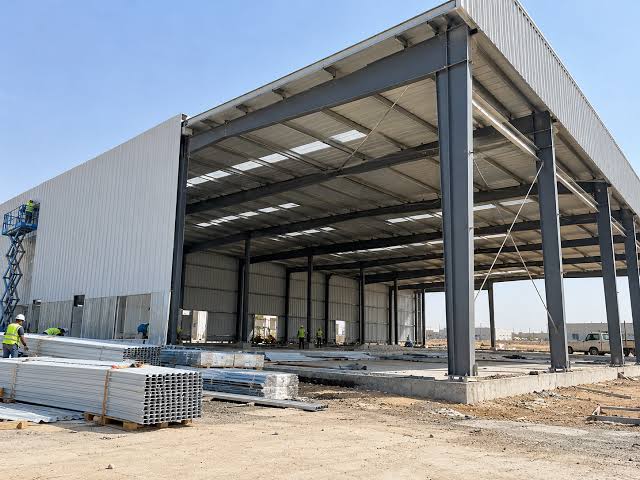
Commercial properties depend on visual appeal as much as physical comfort. Entrance canopies and storefront awnings shield glass facades from direct afternoon sun, lowering indoor air conditioning loads while welcoming customers into a cooler, glare-free entryway. Across larger commercial parking lots, schools, and logistics facilities, modular sail canopies and wide-span steel shades provide continuous coverage that enhances safety, protects inventory, and elevates property value.
Precision Installation and Long-Term Performance
Even the strongest engineering blueprint only succeeds when executed accurately on site. Installation quality determines alignment, membrane tension, drainage slope, and foundation stability.
Site Assessment and Sun-Path Mapping
Before fabrication begins, proper measurements evaluate sun angles during peak summer months, surrounding wall heights, underground utility paths, and drainage gradients. Mapping the exact trajectory of afternoon sunlight ensures that shadows fall precisely where protection is needed most, avoiding the common mistake of building a canopy whose shadow misses the target area during peak heat hours.
Minimal Maintenance in Dusty and Humid Conditions
Jeddah experiences periodic dust storms followed by morning dew, which can leave mineral residue on exterior surfaces. Smooth architectural coatings and tensioned slopes prevent dust and moisture from pooling on top of the canopy. Routine rinsing with fresh water is generally all that is required to keep the structure clean, bright, and structurally sound year after year.
Why Engineered Shading Is a Smart Investment in Jeddah
Investing in professionally engineered shades delivers measurable returns beyond immediate comfort. Lowering ambient temperatures around exterior walls and windows eases the workload on air conditioning compressors, translating into lower monthly electricity consumption and longer HVAC equipment lifespan. Vehicles, outdoor furniture, and commercial entrances remain protected from premature sun damage, reducing repair and replacement expenses over time.
When structural strength, aerodynamic tension, corrosion defense, and thermal reflection work together, outdoor spaces transform from harsh, sun-baked zones into functional extensions of a home or business. Through disciplined material selection and climate-responsive design, mathalatjeddah.com demonstrates how thoughtful engineering turns Jeddah’s relentless coastal sun into a manageable element of everyday architectural comfort.
 GH88