
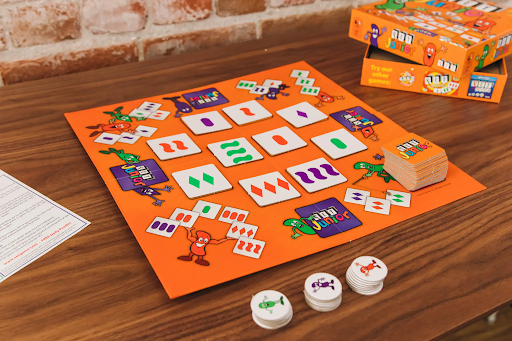
Board games offer an enjoyable way for children to develop important skills while spending quality time with family and friends. From colorful matching games for toddlers to strategic challenges for older children, different games suit different stages of childhood. The best board games encourage problem-solving, creativity, communication, patience, and logical thinking without making learning feel difficult. Age-appropriate games also help children understand rules, manage emotions, and enjoy friendly competition. With so many options available, selecting the right game depends on a child’s age, interests, and abilities. A suitable board game can turn ordinary family time into a memorable learning experience.
Why Are Board Games Important for Children?
Board games support childhood development through interactive play. Simple activities such as matching pictures, moving pieces, counting spaces, and solving puzzles strengthen memory and concentration. Games with shared rules also teach fairness, turn-taking, and respectful communication. Some games encourage creative thinking, while others introduce basic mathematics, spelling, and planning skills. Playing together creates opportunities for meaningful family interaction and helps children practice handling both success and disappointment. Selecting games with suitable difficulty levels keeps the experience enjoyable and encourages children to build confidence gradually.
Best Board Games for Toddlers Aged 2–3 Years
Toddlers benefit from simple games with bright colors, familiar pictures, large pieces, and short playing times. Complicated rules can reduce interest, so activities involving matching, sorting, and basic recognition are more suitable for this age group. Picture-matching games, chunky puzzles, and simple color games help develop visual recognition, hand coordination, and early problem-solving abilities. Adult supervision is essential because small game pieces can present choking hazards. Games designed specifically for toddlers offer a safe introduction to structured play while supporting early learning through repetition and exploration.
Best Board Games for Preschoolers Aged 4–5 Years
Preschool children are ready for games involving simple rules, basic counting, memory challenges, and imaginative activities. Games such as Candy Land introduce color recognition and turn-taking, while Chutes and Ladders helps develop number awareness and counting skills. Matching games also strengthen attention and visual memory. At this stage, short rounds and easy-to-understand instructions help maintain interest. Cooperative games can be especially valuable because children work toward a shared goal instead of focusing entirely on winning. These activities introduce friendly competition while helping young players develop patience, confidence, and social skills.
Best Board Games for Children Aged 6–8 Years
Children between six and eight years old can usually understand more detailed instructions and follow games with several steps. Classic options such as Connect 4, Guess Who?, and UNO encourage logical thinking, observation, pattern recognition, and decision-making. Connect 4 introduces basic strategy by encouraging players to plan moves and anticipate possible outcomes. Guess Who? develops questioning and deduction skills, while UNO supports color and number recognition alongside attention to changing rules. These board games provide an enjoyable balance between learning and entertainment. Selecting games with manageable playing times helps children remain engaged while gradually improving independent thinking.
Best Board Games for Children Aged 9–12 Years
Older children often enjoy games that require planning, memory, resource management, and problem-solving. Chess develops strategic thinking and encourages players to consider the consequences of each move. Ticket to Ride introduces route planning and decision-making, while Catan Junior offers a simplified introduction to resource collection and trading. Clue provides opportunities to practice deduction by evaluating clues and eliminating possibilities. Games at this age can include longer rounds and more complex rules, helping children develop concentration and persistence. Family game nights also become more engaging when every player has opportunities to make meaningful decisions and contribute to the experience.
Best Board Games for Teenagers Aged 13 Years and Older
Teenagers often appreciate games with deeper strategies, creative challenges, teamwork, and social interaction. Codenames encourages vocabulary skills, communication, and creative associations between words. Pandemic focuses on cooperative problem-solving, requiring players to work together against a shared challenge. Azul combines pattern building with tactical decisions, while chess remains a strong option for developing advanced planning and concentration. The best choices depend on personal interests, group size, and preferred playing time. Games with adjustable difficulty or different strategies can maintain interest and provide opportunities for friendly competition among teenagers, siblings, and adults.
How to Select Age-Appropriate Board Games
Selecting suitable board games involves more than checking the recommended age printed on the packaging. A child’s reading ability, attention span, interests, and experience with game rules also affect the overall experience. Consider the following factors before making a selection:
- Age suitability: Check the manufacturer’s recommended age range and the complexity of the instructions.
- Learning value: Look for games that encourage counting, memory, communication, creativity, or strategic thinking.
- Playing time: Shorter games often work better for younger children, while older players may enjoy longer challenges.
- Group size: Check whether the game supports solo play, two players, or larger family groups.
- Safety: Avoid small pieces for children who still place objects in their mouths.
- Replay value: Games with varied challenges, changing strategies, or different outcomes can remain interesting over time.
A suitable game should provide enough challenge to encourage learning without creating unnecessary frustration. Reading the instructions before the first session and demonstrating a sample round can make the experience smoother for beginners.
Educational Benefits of Board Games
Educational board games turn everyday learning into a practical activity. Counting spaces and managing scores strengthen basic mathematics, while word games improve vocabulary and spelling. Memory challenges support attention, and strategy games encourage logical reasoning. Cooperative games help children practice listening, sharing responsibilities, and communicating ideas clearly. Even games based on luck can introduce patience and emotional regulation because outcomes are not always predictable. Regular play provides opportunities to develop these skills naturally. For the greatest benefit, adults can encourage children to explain decisions, discuss different strategies, and reflect on what worked well after each round.
Tips for Making Family Game Nights More Enjoyable
A positive playing environment helps children develop lasting interest in board games. Selecting a convenient time, keeping snacks and distractions away from the playing area, and explaining the rules clearly can improve the experience. Younger children may need reminders about taking turns, while older children can help explain instructions or demonstrate strategies. Avoid placing excessive pressure on winning, especially when younger players are still learning. Praise thoughtful decisions, fair play, and patience rather than focusing only on the final score. Rotating game choices also keeps family activities fresh and allows children to discover new interests.
Discover Quality Kids’ Games and Toys at Bachaa Party
Bachaa Party offers a convenient destination for exploring children’s toys, games, and age-appropriate play essentials. A suitable selection of board games and other educational toys can support creativity, family interaction, and essential childhood skills. When browsing the available collection, checking age recommendations, game instructions, safety information, and required player numbers helps identify suitable options for different stages of childhood. From simple activities for younger children to engaging challenges for older players, selecting the right game can make everyday play more meaningful. Bachaa Party provides a useful starting point for exploring children’s products that combine entertainment, learning, and enjoyable family moments.
 hindustan228
 alia22
 Danish006