
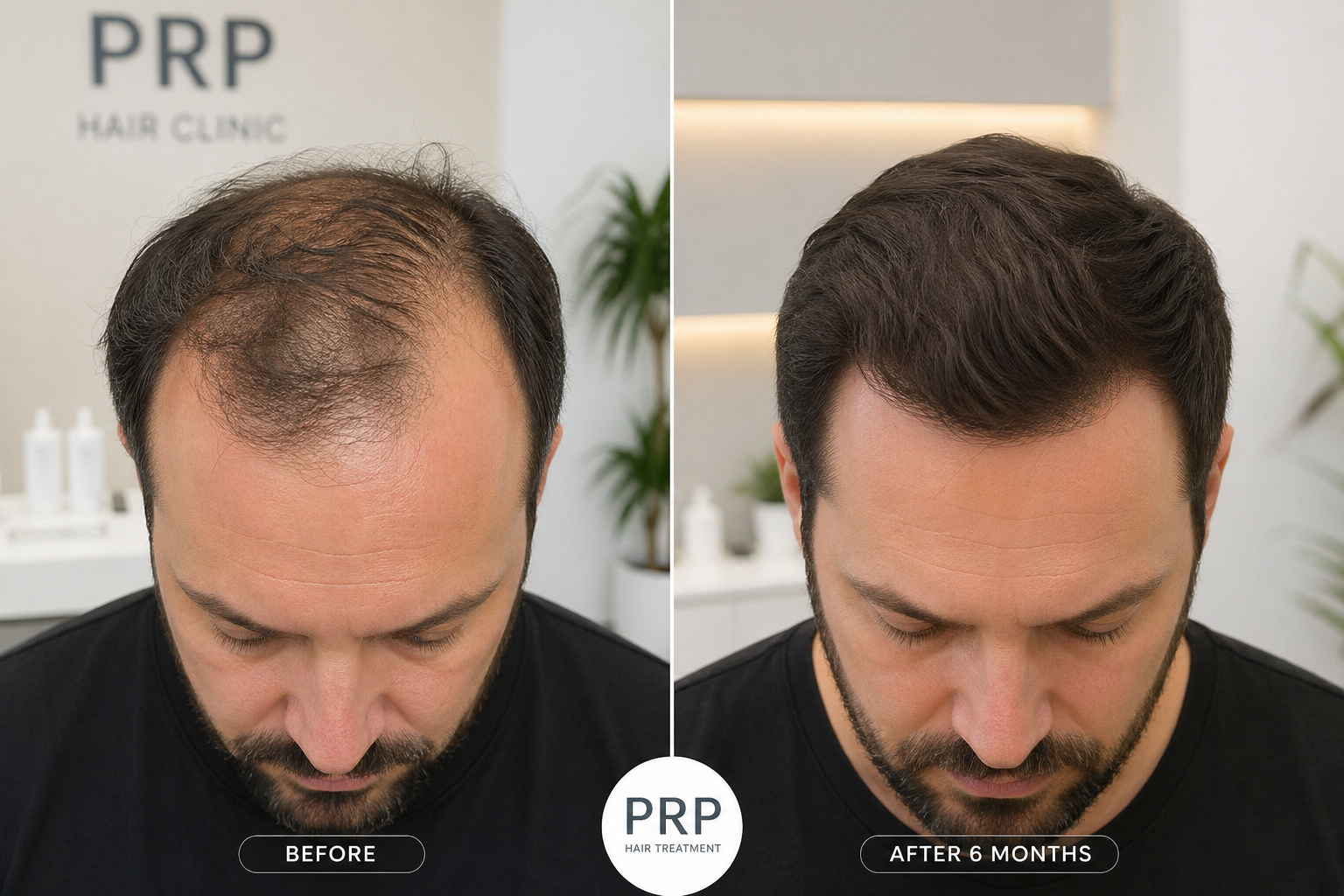
When people search for Hair Transplant Before and After results, they often focus on the newly restored hairline or the impressive transformation in the recipient area. However, one of the most important factors determining whether those results remain natural for decades is something many patients rarely consider—the donor area.
The donor area, typically located at the back and sides of the scalp, provides the healthy hair follicles used during transplantation. Because the number of available follicles is limited, careful donor area planning is essential for creating natural-looking results today while preserving options for future treatments. A poorly managed donor area can limit future procedures, create visible thinning, and reduce overall satisfaction.
Understanding why donor area management matters can help patients choose experienced surgeons and achieve long-lasting Hair Transplant Before and After results.
What Is the Donor Area?
The donor area refers to the portion of the scalp where healthy hair follicles are harvested during a hair transplant.
This area is usually selected because the follicles are genetically more resistant to the hormone dihydrotestosterone (DHT), which is responsible for most cases of male and female pattern hair loss.
Healthy donor hair generally continues growing after transplantation, making it the ideal source for restoring thinning or bald areas.
However, unlike natural hair growth, the donor supply is limited. Once follicles are removed, they cannot regenerate in the harvested location.
Why Donor Hair Is a Limited Resource
Every patient has a finite number of transplantable grafts.
Depending on factors such as scalp size, donor density, hair thickness, and hair characteristics, most individuals have only a certain number of grafts that can safely be harvested over their lifetime.
Because of this limitation, surgeons must carefully decide:
- How many grafts to remove
- Which follicles to harvest
- How to distribute extractions evenly
- How many grafts to preserve for future procedures
Using too many grafts during the first surgery may leave insufficient donor hair if additional restoration becomes necessary later in life.
The Risk of Overharvesting
One of the biggest causes of poor Hair Transplant Before and After outcomes is donor area overharvesting.
Overharvesting occurs when excessive follicles are removed from one region, leaving visible thinning or patchiness.
Common signs include:
- Uneven donor density
- Noticeable bald spots
- Visible scarring
- Difficulty wearing short hairstyles
- Poor cosmetic appearance from the back and sides
An experienced surgeon spreads extractions evenly across the donor area to preserve its natural appearance while maintaining sufficient graft reserves.
Planning for Future Hair Loss
Hair loss is often progressive.
Although transplanted follicles are generally permanent, surrounding native hair may continue thinning over time.
For example, a patient in their early thirties may only have moderate hair loss today but develop more advanced thinning over the next decade.
If all available donor grafts are used during the first procedure, future restoration options become limited.
Long-term donor planning allows surgeons to:
- Anticipate future hair loss
- Preserve grafts for later sessions
- Maintain balanced hair density
- Avoid unnatural patterns as aging progresses
Successful Hair Transplant Before and After results are built with the future in mind—not just the present.
Why Conservative Hairline Design Protects the Donor Area
Many patients request low, dense hairlines because they look attractive in online galleries.
However, lower hairlines require significantly more grafts.
A conservative, age-appropriate hairline provides several advantages:
- Preserves donor reserves
- Looks natural over time
- Supports future procedures
- Maintains facial balance
- Requires fewer grafts
Experienced surgeons understand that long-term planning often produces more satisfying lifetime results than aggressive restoration during the first surgery.
Graft Preservation Improves Lifetime Results
Every harvested follicle is valuable.
During surgery, graft preservation involves:
- Gentle harvesting techniques
- Careful microscopic handling
- Proper hydration
- Minimizing time outside the body
- Precise implantation
Healthy graft handling improves survival rates while ensuring patients receive the maximum benefit from every harvested follicle.
Preserving graft quality is just as important as preserving graft quantity.
Donor Hair Quality Influences Coverage
Not all donor hair produces identical results.
Several characteristics influence cosmetic coverage, including:
Hair Thickness
Thicker hair provides greater visual density.
Hair Curl
Curly or wavy hair covers more scalp than straight hair.
Hair Color
Hair that closely matches scalp color often creates the appearance of greater fullness.
Donor Density
Patients with naturally dense donor areas usually have greater flexibility during treatment planning.
An experienced surgeon considers these characteristics before deciding how many grafts to harvest.
Why Personalized Treatment Planning Matters
No two patients experience hair loss in exactly the same way.
A personalized donor management plan considers:
- Age
- Family history
- Hair loss pattern
- Donor density
- Hair texture
- Future progression
- Lifestyle
- Cosmetic goals
Rather than focusing only on immediate Hair Transplant Before and After improvements, skilled surgeons develop strategies designed to maintain natural-looking hair throughout the patient’s lifetime.
Multiple Procedures Require Strategic Planning
Some patients eventually choose additional transplant sessions.
Reasons include:
- Progressive hair loss
- Crown restoration
- Increased density
- Hairline refinement
These procedures are only possible when sufficient donor hair has been preserved during earlier surgeries.
Strategic planning today creates flexibility tomorrow.
How to Evaluate Donor Area Results
Before selecting a clinic, carefully examine donor area photographs in addition to recipient results.
Look for:
- Even donor density
- Minimal visible scarring
- Uniform harvesting
- Natural appearance with short hair
- High-resolution photographs
- Long-term follow-up images
A clinic that proudly displays donor area healing usually demonstrates confidence in its harvesting techniques.
Questions to Ask Your Surgeon
Before surgery, consider asking:
- How many grafts can safely be harvested from my donor area?
- How many grafts do you recommend for this procedure?
- How will you preserve donor density?
- What happens if I need another transplant later?
- Can you show healed donor area photographs?
- How do you plan for future hair loss?
Clear answers indicate thoughtful long-term planning rather than focusing solely on immediate cosmetic improvement.
Protecting Your Donor Area After Surgery
Proper aftercare also helps preserve donor health.
Patients should:
- Follow washing instructions carefully.
- Avoid scratching the scalp.
- Protect the donor area from excessive sun exposure.
- Avoid smoking during healing.
- Attend scheduled follow-up appointments.
- Report unusual redness or signs of infection promptly.
Healthy healing contributes to minimal scarring and better long-term cosmetic outcomes.
Long-Term Maintenance Supports Lasting Results
Even after successful surgery, maintaining healthy hair remains important.
Long-term care may include:
- Regular scalp evaluations
- Medical treatments recommended by your doctor
- Healthy nutrition
- Stress management
- Good scalp hygiene
- Monitoring ongoing hair loss
These habits help preserve both transplanted and existing hair while maximizing the longevity of your Hair Transplant Before and After results.
Conclusion
Hair Transplant Before and After success depends on much more than creating an attractive hairline. Careful donor area planning forms the foundation of sustainable, natural-looking hair restoration. By preserving grafts, avoiding overharvesting, anticipating future hair loss, and developing a personalized treatment strategy, experienced surgeons help patients achieve results that continue looking balanced for many years.
Patients who understand the importance of donor area management are better equipped to choose qualified surgeons, set realistic expectations, and protect their investment. A thoughtfully planned donor strategy not only improves the outcome of today’s procedure but also preserves valuable options for future hair restoration, ensuring confidence and natural-looking results throughout a lifetime.
 johnsmithsanjose
  toylorharrisuk