
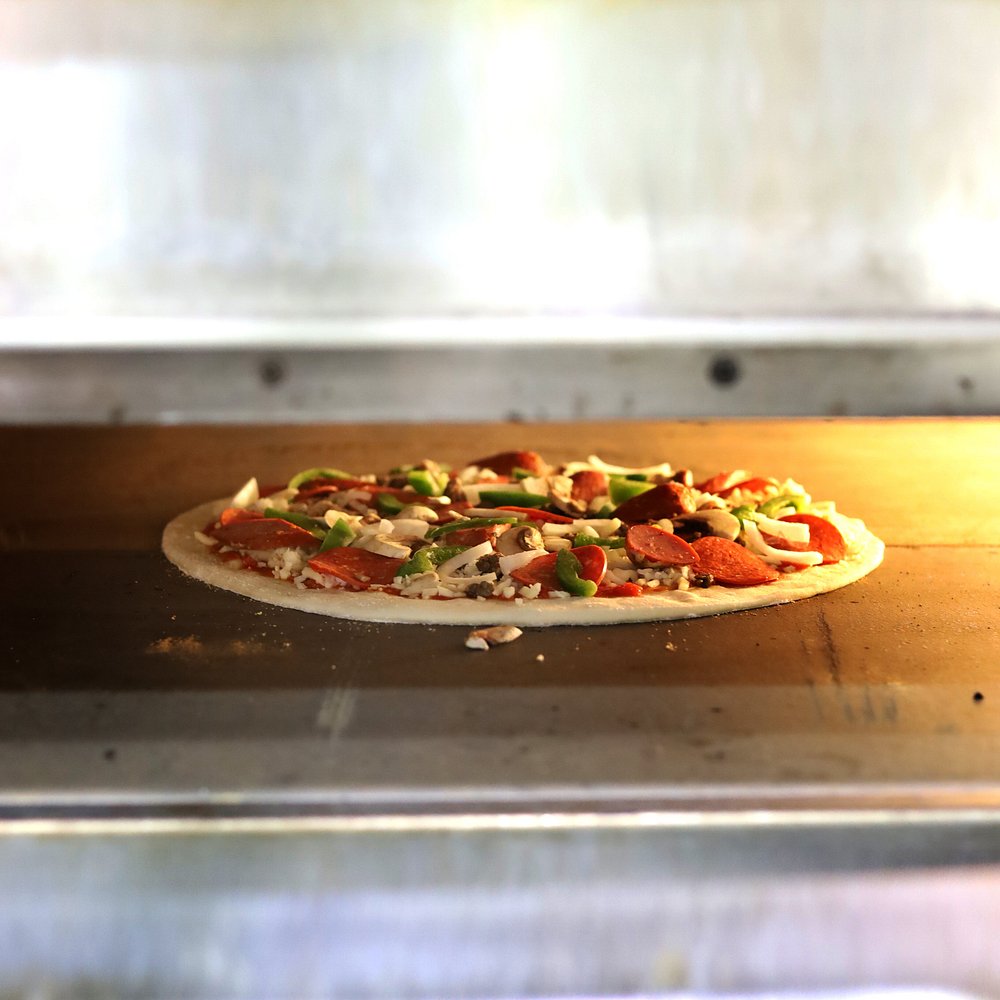
Pizza has long been blamed as one of the biggest culprits behind weight gain. From diet plans banning it outright to fitness myths labeling it as “junk food,” pizza often gets an unfair reputation. But is pizza really the reason people gain weight or is the truth more nuanced?
Let’s break down the facts about pizza calories, understand portion control, explore low calorie pizza options, and finally settle the debate once and for all: pizza doesn’t make you fat.
Understanding Pizza Calories: It’s Not One-Size-Fits-All
When people ask, “How many calories does pizza have?” the answer depends on several factors:
- Crust type (thin, regular, or stuffed)
- Toppings (vegetables, cheese, meats)
- Portion size
- Cooking method
On average, one slice of regular cheese pizza contains around 250–300 calories. That’s similar to many everyday meals or snacks people don’t think twice about.
The problem isn’t pizza itself it’s how much and how often it’s eaten.
Calories are simply units of energy. Weight gain occurs only when you consistently consume more calories than your body burns, regardless of whether those calories come from pizza, salads, or smoothies.
Pepperoni Pizza Calories: The Most Misunderstood Slice
Pepperoni is one of the most popular pizza toppings worldwide and also one of the most criticized. Let’s look at the facts.
A single slice of pepperoni pizza contains approximately 300–350 calories, depending on cheese quantity and crust thickness. The increase comes mainly from fat and protein.
When people talk about pepperoni pizza calories, they often forget that pepperoni also provides protein, which helps with satiety (feeling full). This can actually prevent overeating later in the day.
The key is moderation. Eating one or two slices of pepperoni pizza as part of a balanced meal is very different from eating half a large pizza late at night.
Pepperoni Calories Explained: Topping vs Whole Pizza
To better understand the numbers, let’s isolate pepperoni calories themselves.
- One ounce (about 14 slices) of pepperoni has roughly 140–150 calories
- Most pizza slices use far less than one ounce of pepperoni
That means the topping alone isn’t as calorie-heavy as many assume. In fact, excess cheese, creamy sauces, and thick crusts often contribute more calories than pepperoni.
So blaming pepperoni alone for weight gain is misleading.
Low Calorie Pizza: Yes, It Exists
If calorie-conscious eating is your goal, the good news is that low calorie pizza options are easier to find and make than ever before.
Here’s how to significantly reduce pizza calories without sacrificing flavor:
1. Choose a Thin Crust
Thin crust pizzas can reduce calories by 30–40% per slice compared to thick or stuffed crusts.
2. Load Up on Vegetables
Vegetable toppings add volume, fiber, and nutrients with minimal calories, making you feel full faster.
3. Go Easy on Cheese
Cheese is delicious but calorie-dense. Reducing cheese slightly can cut 50–100 calories per slice.
4. Watch Portion Sizes
Two slices of pizza paired with a salad can be a perfectly balanced meal.
With smart choices, low calorie pizza can easily fit into weight-loss or maintenance diets.
Why Pizza Doesn’t Make You Fat?
The idea that “pizza makes you fat” is a classic nutrition myth. Here’s why it doesn’t hold up:
- No single food causes weight gain
- Calories matter more than food labels
- Lifestyle habits matter more than occasional treats
People don’t gain weight because they ate pizza once. Weight gain happens due to consistent overeating, inactivity, and poor portion control over time.
In fact, demonizing foods like pizza often leads to guilt-based eating, binge cycles, and unhealthy relationships with food.
Balanced diets allow flexibility and pizza absolutely fits into that balance.
Pizza as Part of a Healthy Lifestyle
Modern nutrition experts increasingly agree: sustainability matters more than restriction.
When people allow themselves foods they enjoy like pizza they’re more likely to stick to healthy habits long term. Completely cutting out favorite foods often leads to burnout and relapse.
Pizza also provides:
- Carbohydrates for energy
- Protein from cheese and toppings
- Fats for satiety
When eaten mindfully, pizza can be part of a healthy, enjoyable lifestyle.
Final Verdict
So, how many calories does pizza have? Enough to fuel your body but not enough to “automatically” make you gain weight.
Whether you’re counting pizza calories, watching pepperoni pizza calories, or choosing low calorie pizza, the real secret is balance, portion control, and overall dietary habits.
Pizza doesn’t make you fat.
Overeating without awareness does.
Enjoy your slice just enjoy it smartly.
 mugshei.sufyan@gmail.com